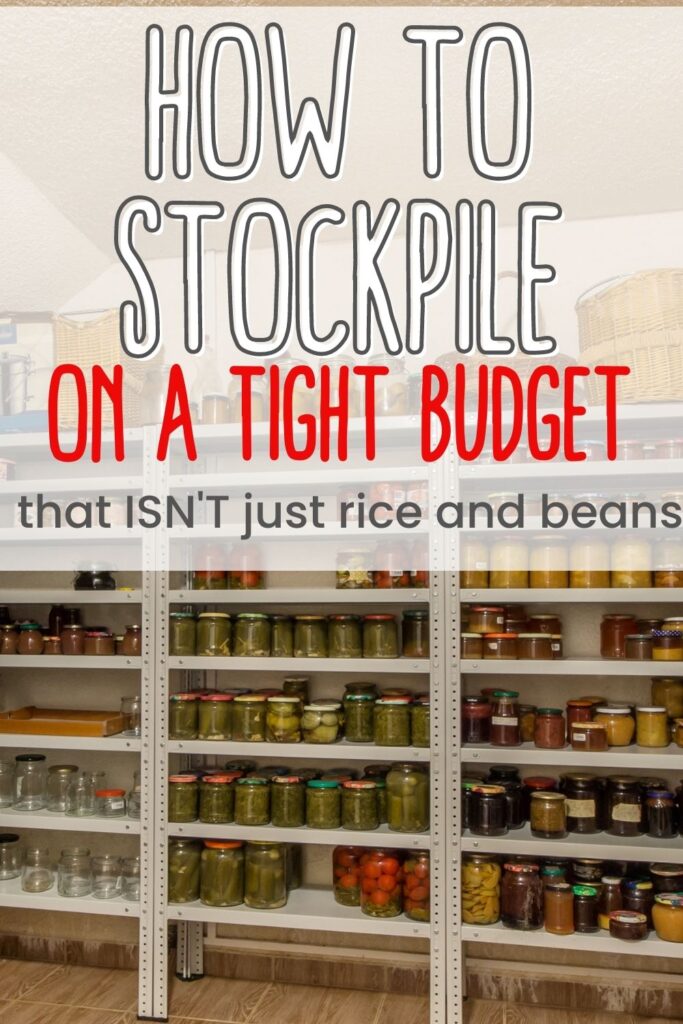
When it comes to stockpiling food for a survival situation, it’s important to prioritize foods that are non-perishable, provide essential nutrients, and have a long shelf life. The best survival foods are both non-perishable and are foods that your family will actually eat.Here are some of the best food options for long-term storage:
Canned Goods
Canned foods are an excellent choice due to their long shelf life, convenience, and variety. Look for canned meats (such as tuna, chicken, and beef), fruits, vegetables, and soups. Ensure the cans are undamaged and properly sealed. When it comes to stockpiling canned goods for a SHTF situation, it’s important to consider factors such as nutritional content, variety, and shelf life. Here are some key points to keep in mind:
- Buy lots of different kids canned goods to ensure a balanced diet. Include options like canned meats (tuna, chicken, beef), fruits, vegetables, soups, and beans. No one wants to survive long on just kidney beans and fruit cocktail.
- Nutritional Content: Look for canned goods that offer a good balance of macronutrients (carbohydrates, proteins, and fats) and essential micronutrients (vitamins and minerals). Choose low-sodium or no-salt-added options whenever possible to control your sodium intake.
- Shelf Life: Canned goods typically have a long shelf life, but it’s essential to check the expiration dates before purchasing and regularly rotate your stockpile to ensure freshness. Most canned goods can last anywhere from 2 to 5 years or even longer, depending on the product.
- Storage Conditions: Proper storage is crucial to maintain the quality and longevity of canned goods. Follow these guidelines:
- Keep canned goods in a cool, dry place away from direct sunlight. Excessive heat or temperature fluctuations can shorten their shelf life.
- Avoid storing cans near chemicals, cleaning supplies, or other potentially harmful substances that could affect the integrity of the cans.
- Choose storage areas that are free from excessive moisture or humidity to prevent rusting or damage to the cans. This isn’t always easy to do in some climates – we live in Florida and it’s a struggle.
- Inspection: Regularly inspect your canned goods for any signs of damage, such as bulging, rust, or dents. Don’t keep rusty or dented cans “just in case.” Pitch them and make a plan to replace them.
- Organization: Create an organized system for your canned goods, arranging them by type and expiration date. This will help you keep track of your inventory and ensure that you use the oldest cans first.
- Consumption: While canned goods have a long shelf life, it’s still a good to consume them before the expiration date for the best taste and quality. Rotate your stockpile by using and replacing older cans with fresh ones to avoid waste. Nutritional content can also diminish over time. Something to keep in mind.
Dried Beans and Legumes
Foods like lentils, chickpeas, white rice, brown rice, quinoa, and oats are nutrient-dense and can provide sustained energy. They have a long shelf life when stored in airtight containers and can be a valuable source of protein and carbohydrates. Stockpiling dry goods like beans and legumes is a smart choice for a survival situation. They are highly nutritious, versatile, and can provide a reliable source of protein, fiber, and carbohydrates. Here’s what you need to know about stocking up on dry goods:
Aim to have a variety of beans and legumes in your stockpile to avoid flavor fatigue. Consider options like black beans, kidney beans, lentils, chickpeas, and split peas. We buy ours in 25 or 50 lb bags from Azure Standard and store them in 5 gallon food-safe buckets.
Shelf Life: Dry beans and legumes have an impressively long shelf life when stored properly. They can last anywhere from 2 to 10 years or more, depending on the type and storage conditions.
Packaging: Purchase dry beans and legumes in sealed packaging, preferably from reputable brands. This ensures their freshness and reduces the risk of insect infestation or moisture damage.
Storage Containers: Transfer your dry beans and legumes to airtight containers for long-term storage. Mason jars, food-grade plastic containers, or Mylar bags with oxygen absorbers are all great options. Beware of rodents and bugs – glass or metal storage is best.
Storage Conditions: To maximize shelf life, store your dry goods in a cool, dark, and dry location. Avoid exposure to sunlight, heat, moisture, and fluctuating temperatures, as these factors can accelerate deterioration. A pantry or basement storage area is ideal.
Rotation: While dry beans and legumes have a long shelf life, it’s a good practice to rotate your stockpile regularly. Use the oldest supplies first and replenish with fresh ones.
Preparation: Dry beans and legumes require soaking and cooking before consumption. Typically the older your dried beans and legumes, the longer you’ll have to cook them.
Quantity: when I see a sale on dried beans, I stock up. I feel like you can never have too many.
Seasonings and Flavorings: Enhance the taste and variety of your meals by including complementary seasonings like salt, pepper, spices, and herbs in your stockpile. These can make your bean and legume dishes more enjoyable and satisfying.
Keep in mind what an effort it takes to actually cook beans from dried. Yes, they store incredibly well and are healthy and inexpensive. The downside is the amount of water, time, and cooking fuel it takes to produce a meal from them. Just don’t rely completely on dried beans simply because they’re arguably the cheapest food to stockpile. Add plenty of their canned counterparts to have a well-rounded stockpile.
Pasta
Dry pasta has a remarkably long shelf life when stored properly. Sealed and unopened packages of pasta can last for one to two years or even longer, depending on the type and storage conditions.
To maintain the quality and extend the shelf life of pasta, store it in a cool, dry place away from direct sunlight and moisture. Airtight containers or resealable bags can help prevent exposure to air and potential infestation.
Pasta is a good source of carbohydrates, which provide energy. It is often enriched with vitamins and minerals like iron and B vitamins. Pairing pasta with other nutrient-dense ingredients can enhance its nutritional value in meals.
After Hurricane Ian, my family and I were without power for a week. Cooking dry beans just wasn’t happening, but we ate our fair share of pasta and gave our kids more macaroni and cheese than I’d like to admit. When a survival situation happens, especially when widespread damage and power outages are involved, you resort to the unhealthy options faster than you’d think because your time is spent helping your loved ones put their lives back together. Plan for the unexpected.
Dehydrated or freeze-dried foods
These foods undergo a preservation process that removes moisture while retaining most of their nutrients. Dehydrated or freeze-dried fruits, vegetables, meats, and even complete meals are available in stores and can be rehydrated with water. These probably don’t make a regular appearance on your dinner table, but it’s a good idea to stockpile them AND to use some of them now to get familiar with them before you need them. The best survival foods are those that store well and aren’t completely foreign when it comes time to use them.
Rehydrating Dehydrated Foods:
- Water: Rehydrating dehydrated foods typically involves adding water. The amount of water needed varies depending on the food item and desired consistency. Follow the instructions on the packaging or use recipes specific to the food you’re rehydrating.
- Cold Water Method: Place the dehydrated food in a bowl and cover it with cold water. Let it soak for the recommended time, usually around 15 to 30 minutes, or until it reaches the desired tenderness. Drain any excess water before using.
- Hot Water Method: Boiling water is often used for rehydrating foods like soups, stews, or pasta. Add the dehydrated food to a pot of boiling water and let it cook until tender, following the instructions provided. Drain excess water if necessary.
Popular Options to Buy:
- Dehydrated Fruits: Common dehydrated fruits include apples, bananas, strawberries, mangoes, and raisins. They are delicious as snacks, can be added to cereals or trail mixes, or rehydrated for use in baked goods.
- Dehydrated Vegetables: Popular dehydrated vegetables include carrots, peas, corn, onions, and bell peppers. They can be used in soups, stews, casseroles, or as ingredients in sauces and dips.
- Dehydrated Meats: Dehydrated meats like beef, chicken, or turkey can be used for adding protein to meals or for making jerky. They are lightweight and convenient for camping or emergency situations.
- Dehydrated Grains and Pasta: Dehydrated grains such as rice, quinoa, or oats, as well as dehydrated pasta, are popular options for quick and easy meal preparation. They rehydrate relatively quickly and can be used in various recipes.
- Dehydrated Soup Mixes: Dehydrated soup mixes are often available in a variety of flavors. They usually contain a combination of dehydrated vegetables, grains, and seasonings. Just add water and heat to enjoy a comforting bowl of soup.
- Dehydrated Meals: Pre-packaged dehydrated meals are available in a wide range of options, including pasta dishes, rice bowls, curries, and more. They often contain a combination of dehydrated proteins, vegetables, and seasonings, providing a complete meal solution.
Nuts, seeds, and nut butter
High in healthy fats, protein, and fiber, these items provide essential nutrients and can be stored for an extended period. Consider options like almonds, walnuts, chia seeds, and peanut butter.
Shelf-stable milk and dairy alternatives
Look for UHT (Ultra High Temperature) processed milk, condensed milk, or powdered milk. Non-dairy alternatives like almond milk or soy milk may also be suitable options, especially if you have dietary restrictions. Fresh milk is our kids’ absolute favorite, but we’ve started to use powdered milk on occasion to get them used to the taste.
Dairy Alternatives:
Plant-based Milk: Plant-based milk alternatives such as almond milk, soy milk, oat milk, or coconut milk can be stored in cartons or Tetra Paks. These dairy-free options are typically available in both refrigerated and shelf-stable formats. The shelf-stable versions have a longer shelf life and are suitable for stockpiling. They can be used as substitutes for regular milk in various recipes, cereals, beverages, or enjoyed on their own.
Powdered Milk Alternatives: Powdered milk alternatives like powdered soy milk, almond milk, or coconut milk are available in the market. They are convenient for long-term storage as they have a significantly extended shelf life. These can be reconstituted with water to create a milk-like beverage or used in cooking and baking.
Shelf-Stable Dairy:
UHT Milk: Ultra-high temperature (UHT) milk, also known as long-life milk or boxed milk, undergoes a process that extends its shelf life without refrigeration until it’s opened. It is available in whole, low-fat, or skim varieties and can be used as a substitute for regular milk in recipes, cereals, and beverages.
Canned Evaporated Milk: Evaporated milk is a concentrated form of milk with a thick consistency. It is commonly sold in cans and can be used as a substitute for regular milk in recipes that call for a creamier texture, such as desserts and sauces.
Canned Sweetened Condensed Milk: Sweetened condensed milk is thick and sweet, with a caramelized flavor. It is commonly used in baking, desserts, and coffee. Canned sweetened condensed milk has a long shelf life and can be stored in your stockpile.
Shelf-Stable Cheese: Some types of cheese, such as processed cheese or certain hard cheeses like Parmesan, have a longer shelf life and can be stored at room temperature. However, it’s important to check the specific storage requirements for each type of cheese.
When stocking dairy alternatives and shelf-stable dairy products, consider the expiration dates and rotate your stockpile accordingly. It’s also important to note that these alternatives may have different tastes and textures compared to traditional dairy products, so try them before stocking up on too many.
Cooking oil:
Choose oils with a long shelf life, such as coconut oil, olive oil, or vegetable oil. They are versatile for cooking and can provide additional calories. Oils that have undergone processes like refining or hydrogenation generally have longer shelf lives.
Opt for oils that are stable at high temperatures, as they can be used for various cooking methods like frying, sautéing, or baking without breaking down and producing harmful compounds. Oils with higher smoke points, such as avocado oil, peanut oil, or refined coconut oil, are more suitable for high-heat cooking. There are also oils, like sesame oil, that are delicious but should be used as a finishing oil and not used over heat at all.
Energy bars and granola bars
These compact snacks are convenient and can provide a quick energy boost. They’re great if you have to travel during SHTF and are usually an easy sell for even the pickiest kids. Look for options with whole grains, nuts, and dried fruits for a slightly healthier granola bar. The downside is the shorter shelf life, but these are pretty easy to rotate through. Our favorites right now are any flavor of Z bar from Clif bars.
Spices, salt, and sugar
Please please please don’t underestimate the importance of spices and sauces in your stockpile. Can you survive on nothing other than plain pinto beans and rice? Sure, but would you want to? Keep things like maple syrup and brown sugar on hand to be used in oatmeal, tomato sauces to season and use on pastas and over rice, and bouillon cubes for adding flavor to dried beans and legumes while cooking.
Salt is an essential spice to stockpile due to its multiple uses. Not only does it enhance the taste of food, but it also helps preserve food and can be used for various purposes such as curing, brining, and pickling. Salt is also necessary for maintaining electrolyte balance in the body. Consider storing both iodized table salt and non-iodized salt, like Celtic and pink Himalayan salt.
Common Spices: Include a variety of commonly used spices such as black pepper, garlic powder, onion powder, paprika, chili powder, cinnamon, cumin, oregano, basil, and thyme. These spices can be found at any grocery store and are a really cheap way to brighten up dishes.
Herbs: Dried herbs like parsley, rosemary, sage, and bay leaves can provide aroma and flavor to your meals. They are versatile and can be used in soups, stews, sauces, and marinades.
Spice Blends: Consider stocking pre-made spice blends such as curry powder, Italian seasoning, taco seasoning, or garam masala. These blends offer a convenient way to add complex flavors to your meals without needing to mix individual spices.
Hot Sauces and Chili Flakes: For those who enjoy spicy flavors, hot sauces or chili flakes can be valuable additions. They can provide heat and intensity to dishes, and their long shelf life makes them suitable for stockpiling.
Sweeteners: While not technically spices, sweeteners like sugar, honey, and maple syrup can be important for adding sweetness to baked goods, beverages, or savory dishes that require a touch of sweetness. When using up all of those canned tomatoes, you’ll need sugar to help balance out the acidity, for example.
Water
While not technically a food item, having a sufficient supply of clean drinking water is crucial for survival. Not to mention that every item on this list requires water in one way or another. Make sure you have an appropriate means of water storage, such as large water containers or water purification systems. Adding apple cider vinegar to water can help boost your immune system, drink mixes that contain vitamin C are a great way to get some added health benefits while increasing water intake – especially in kids.
List of Foods to Stockpile
A quick list of foods to get started on an emergency stockpile, especially for families beginning to prep on a strict budget:
- Canned meats (tuna, chicken, salmon)
- Canned beans (black beans, kidney beans, chickpeas)
- Canned vegetables (corn, peas, green beans, carrots)
- Canned fruits (peaches, pears, pineapple)
- Canned soups and broths
- Canned pasta sauces
- Canned tomatoes and tomato sauce
- Pasta (spaghetti, macaroni, penne)
- Rice (white rice, brown rice)
- Quinoa
- Oats
- Cereal
- Granola bars or protein bars
- Nuts and seeds (almonds, peanuts, sunflower seeds)
- Dried fruits (raisins, cranberries, apricots)
- Peanut butter or other nut butters
- Shelf-stable milk (UHT milk or powdered milk)
- Cooking oil (vegetable oil, olive oil)
- Crackers or rice cakes
- Instant noodles or ramen
- Bouillon cubes or soup mixes
- Salt, pepper, and other spices
- Sugar or sweeteners (white sugar, brown sugar, honey)
- Multivitamins or dietary supplements
- Water (bottled water or water purification tablets)
Remember to regularly check and rotate your stockpile to maintain freshness and ensure that you consume the items before their expiration dates. It’s easy to get caught up in the excitement of collecting non-perishable foods and feeling like you’re prepared for whatever zombie apocalypse comes our way. The best way to actually build a food supply in your home is to stock pile excess amounts of what you already use, rotate through it, and replace it when you use it. Don’t just store canned tomatoes for years on end with the only intention of using them in case of a food storage. Instead, have a large (and hopefully growing) working pantry. Develop your skills. Learn to make your own bread. Try a variety of foods that you can either easily source or grow yourself. Become more self-sufficient while also becoming less picky. Raise your kids to do the same. The best way to prepare for hard times is to stockpile during ideal conditions and build up mental and physical stamina for whatever lies ahead.